
Pakistan Introduces New Chipless ID Card With QR Verification: What It Means for You
Pakistan is rolling out a major change to its national identity card system, replacing the existing chip-based format with a chipless, QR-enabled ID card designed to make identity verification faster, more secure and easier to use.
The new system is part of the government’s broader “One Nation – One Identity” initiative and is being introduced in phases. According to Gulf News, the new QR-based format began replacing the standard National Identity Card from August 14, 2026.
What Is Pakistan’s New Chipless ID Card?
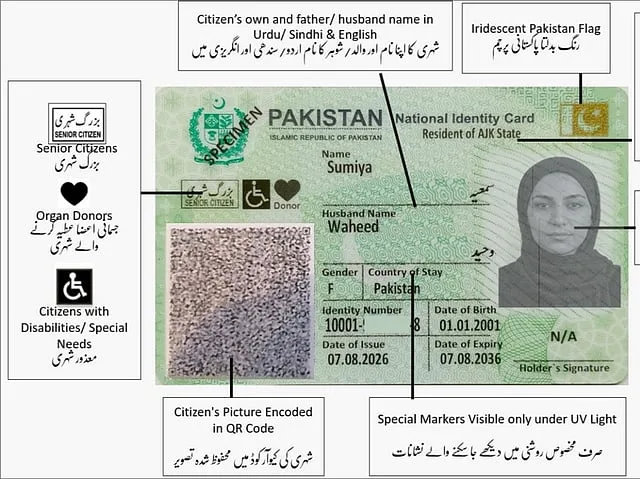
The new ID card removes the need for a microchip and instead uses a machine-readable QR code for identity verification.
The QR code can be scanned using a smartphone camera and verified through NADRA’s PakID mobile application or authorised software. This allows institutions to confirm identity information without relying on the physical microchip previously used in Smart CNICs.
NADRA has officially described the QR code as a legally recognised security and verification feature under the updated identity-card rules.
Why Is NADRA Replacing the Chip?
The move is intended to create a more uniform national identity system.
Previously, Pakistan had different identity-card formats, including standard cards and Smart CNICs with microchips. The updated framework is designed to move citizens toward a common identity-card format using QR-based verification.
The government says the new system will also support faster authentication, reduce manual verification and strengthen protection against fraud and impersonation.
How Will the New QR ID Card Work?
The basic process is straightforward.
A person’s QR code can be scanned by an authorised institution using a compatible device or application. The system can then verify the identity information against NADRA’s records.
This could make identity checks easier at places such as:
-
Banks
-
Telecom companies
-
Hospitals
-
Police stations
-
Pakistan Railways
-
Other authorised government and private institutions
The QR system is designed to support both online and offline verification through Pakistan’s wider Digital ID infrastructure.
Do You Need to Replace Your Existing CNIC?
No, existing identity cards do not immediately become invalid.
The transition is being carried out gradually, meaning citizens do not need to rush to replace a valid existing card simply because the new format has been introduced.
NADRA is rolling out the new format according to different identity-card categories and phases.
When Will Other ID Cards Change?
The transition is expected to expand beyond the standard National Identity Card.
From January 2027, the new format is scheduled to extend to other categories, including NICOP and Juvenile Cards. The Pakistan Origin Card (POC) is also planned to transition to the QR-based format in a later phase.
What About Biometric Verification?
The QR-based card is only one part of Pakistan’s wider identity-system upgrade.
The updated rules also formally recognise fingerprints, iris scans and other biometric technologies as authentication methods. NADRA has also introduced facial-recognition-based verification for situations where fingerprint verification fails.
This means Pakistan is moving toward a broader multi-biometric digital identity system rather than relying exclusively on traditional fingerprint verification.
What Are the Benefits for Citizens?
The new chipless ID card could make identity verification more convenient.
Instead of depending on a physical microchip reader, authorised organisations can use QR technology to verify identity information. This could reduce equipment requirements and make verification easier across different service points.
The system is also intended to improve fraud prevention and integrate identity verification with Pakistan's growing digital-government infrastructure.
Pakistan's Digital Identity System Is Expanding
The new ID card is part of a much larger digital transformation by NADRA.
The authority's plans include a broader Digital ID ecosystem, digital document storage, verifiable credentials, QR-based document verification and consent-based data sharing.
NADRA says its PakID application has already surpassed 18 million downloads, providing a growing digital channel for identity-related services.
What This Means for You
For most citizens, the change will be gradual rather than immediate.
Your existing valid CNIC remains usable, while new and renewed cards will increasingly move toward the QR-based format as NADRA's rollout progresses.
The biggest change is that Pakistan is moving away from a system centred around physical card chips toward a QR-based and digitally connected identity-verification system.
The transition could make everyday identity checks faster and help Pakistan build a more integrated digital identity infrastructure, while the phased rollout gives citizens and institutions time to adapt.
Leave a Comment
Your comment will appear after review.