
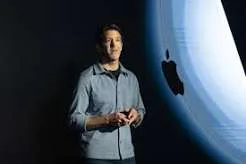
John Ternus Officially Becomes Apple CEO After Tim Cook’s 15-Year Tenure
Apple has officially entered a new leadership era as John Ternus becomes the company's CEO on September 1, 2026, replacing Tim Cook after more than 15 years at the helm.
Apple announced the succession in April, saying the transition was unanimously approved by its Board of Directors as part of a long-term succession planning process. Tim Cook will remain closely involved with the company as executive chairman of Apple's board.
The leadership change marks Apple's first CEO transition since Cook succeeded co-founder Steve Jobs in 2011.
Who Is John Ternus?
John Ternus is a longtime Apple executive and hardware engineering specialist who joined the company in 2001.
Before becoming CEO, Ternus served as Apple's senior vice president of Hardware Engineering. He led the teams responsible for hardware engineering across major product categories, including the iPhone, iPad, Mac and AirPods.
Ternus has also played an important role in Apple's transition from Intel processors to its own Apple silicon platform.
He holds a bachelor's degree in mechanical engineering from the University of Pennsylvania and previously worked as a mechanical engineer at Virtual Research Systems.
His long experience inside Apple makes the transition different from bringing an outside executive into the CEO role.
Tim Cook's 15-Year Apple Legacy
Tim Cook became Apple's CEO in August 2011, succeeding Steve Jobs.
During Cook's tenure, Apple grew from a company valued at roughly $350 billion to one with a market value of around $4.6 trillion by the time he stepped down, according to Reuters and AP.
Cook's leadership was particularly defined by operational efficiency, supply-chain management and the expansion of Apple's services business.
Apple also expanded its product ecosystem significantly during his tenure, with products and categories such as the Apple Watch and AirPods becoming important parts of the company's business.
The company also developed a much larger services ecosystem covering areas such as the App Store, Apple Music, Apple TV, iCloud and other subscription and digital services.
Why Is Tim Cook Staying at Apple?
Cook is not leaving Apple completely.
As of September 1, 2026, he becomes executive chairman of Apple's board, allowing him to remain involved in the company's broader strategic and policy matters. Apple announced that the transition would allow Cook to continue contributing while Ternus takes responsibility for Apple's day-to-day leadership.
Reuters reports that Cook is expected to remain particularly involved in global policy relationships, including Apple's relationship with China and other governments.
This arrangement also provides continuity during the leadership transition.
Why John Ternus Was Chosen
Ternus has spent more than two decades inside Apple and has worked closely with many of the company's most important products.
His background is particularly relevant because Apple remains heavily dependent on hardware innovation.
As head of Hardware Engineering, Ternus oversaw teams working across Apple's major hardware platforms and played a key role in the company's transition to Apple silicon.
That experience gives him detailed knowledge of Apple's product-development culture and engineering organization.
Apple's board also described the appointment as the result of a long-term succession process rather than a sudden leadership change.
Apple's Biggest Challenge: Artificial Intelligence
One of Ternus' biggest challenges will be artificial intelligence.
Apple has invested heavily in AI through Apple Intelligence and improvements to Siri, but the company has faced criticism for moving more slowly than some competitors in generative AI.
Reuters reports that Ternus takes over at a time when Apple is trying to strengthen its AI strategy and catch up with rivals in an increasingly competitive technology market.
This means Apple's AI roadmap could become one of the defining parts of Ternus' early tenure.
The company will need to balance AI development with Apple's traditional focus on privacy, tight hardware-software integration and user experience.
Supply Chain and China Will Also Matter
Another major challenge is Apple's global supply chain.
Apple has historically depended heavily on China for manufacturing and supply-chain operations, although the company has increasingly expanded production across other countries, including India and Vietnam.
Ternus will need to manage these changes while dealing with geopolitical tensions, tariffs and the complexity of Apple's worldwide manufacturing network.
Cook's experience in managing Apple's global supply chain and relationships with governments will remain valuable during the transition.
What Could Change Under John Ternus?
It is too early to say exactly how Apple's strategy will change under Ternus.
However, his background suggests that hardware innovation and product development could receive significant attention.
Ternus has spent much of his Apple career working directly on products and engineering rather than running the company's operations from the CEO office.
That does not necessarily mean Apple will abandon Cook's strategy. In fact, Ternus is an internal successor who has worked within the same corporate culture for decades.
The more likely scenario is a combination of continuity and gradual changes, particularly around AI, product development and Apple's next generation of devices.
Apple's Upcoming Product Launch Will Be an Early Test
Ternus' new role comes at an important time for Apple.
He is expected to lead the company into its upcoming September product cycle, giving investors and consumers an early opportunity to see how the new CEO presents Apple's products and vision.
His first major public appearances as CEO will therefore attract significant attention.
The pressure will be particularly high because consumers and investors will want to know whether Apple can deliver meaningful innovation while maintaining the enormous business created during Cook's tenure.
Will John Ternus Change the iPhone?
There is currently no official indication that Ternus will immediately make radical changes to the iPhone strategy.
His appointment does not automatically mean Apple will redesign the iPhone business or abandon its existing product roadmap.
Instead, Ternus inherits an established ecosystem with billions of active devices and a massive installed customer base.
His challenge will be to keep that ecosystem growing while introducing new technologies that give consumers a reason to upgrade.
AI, new form factors and improvements to Apple's hardware-software integration are likely to remain important areas to watch.
Tim Cook vs John Ternus
The two executives bring different strengths to Apple's leadership.
Tim Cook became known for operational excellence, supply-chain management, global expansion and turning Apple's installed base into a powerful recurring-services business.
John Ternus, meanwhile, comes from Apple's hardware engineering organization and has spent much of his career focused on products and technology.
This makes the transition particularly interesting.
Cook leaves behind a company that is financially much larger than the one he inherited, while Ternus takes over at a time when Apple faces a new competitive environment dominated increasingly by AI.
What This Means for Apple Users
For regular Apple users, the CEO transition is unlikely to produce immediate changes.
Apple's existing products, software updates and services will continue under the same overall corporate structure.
Any major changes in product strategy will likely take years rather than appear immediately after Ternus becomes CEO.
However, users may eventually notice the effects of his leadership through new hardware, AI capabilities, Siri improvements and other changes to Apple's product ecosystem.
Leave a Comment
Your comment will appear after review.