
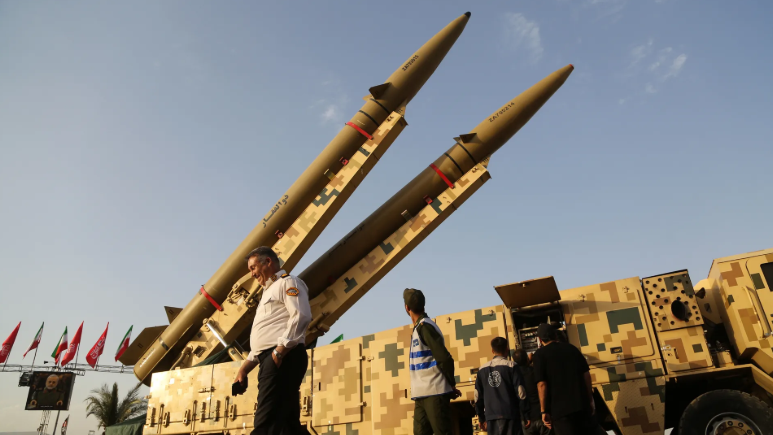
Iran launched five missiles toward US military installations in Jordan on Wednesday, July 29, as the latest escalation in the conflict pushed the United States, Saudi Arabia and Iran into another dangerous confrontation. Jordan said its air defenses intercepted the missiles, while US and Saudi forces carried out strikes against Iran-backed groups in Iraq.
The latest developments came after a brief period of relative calm and as diplomatic efforts to address the Strait of Hormuz faced another setback. Iran has rejected an Omani proposal for managing the strategic waterway, saying it would not accept arrangements that undermine its control over key shipping routes.
Iran Missile Attack on Jordan
Jordan's military said its air defenses intercepted five Iranian missiles launched early Wednesday.
The missiles were reportedly aimed at US military installations in Jordan, including the Muwaffaq Salti Air Base and the US Central Command headquarters in the country.
The attack represents another significant escalation because Jordan has attempted to avoid becoming a direct participant in the wider US-Iran conflict.
Iran's Islamic Revolutionary Guard Corps claimed responsibility for the missile launch, according to current reporting.
The United States has also said that Iranian ballistic missiles were intercepted while targeting US forces in the region.
US and Saudi Arabia Strike Iran-Backed Groups in Iraq
The Iranian missile launch came hours after the United States and Saudi Arabia conducted strikes against Iran-backed groups in Iraq.
According to reporting based on US and regional officials, the strikes targeted logistical and weapons facilities belonging to Iran-aligned groups in eastern Iraq. The action followed more than 30 drone attacks that US officials attributed to Iran's Revolutionary Guard.
Iraqi-linked forces have disputed the attribution.
The Popular Mobilization Forces, an Iraqi security umbrella that includes Iran-linked factions, acknowledged casualties and damage but denied responsibility for the drone attacks that preceded the US-Saudi strikes.
This distinction is important because responsibility for several attacks in the region remains disputed.
Iran Rejects Omani Plan for Strait of Hormuz
Another major development concerns the Strait of Hormuz, one of the world's most important energy-shipping routes.
Oman and Gulf states proposed a framework that would allow vessels to use the strait under a voluntary-fee arrangement and shared regional oversight. Iran rejected the proposal, arguing that it was being presented under pressure from the United States and Saudi Arabia.
The rejection is significant because the Strait of Hormuz remains central to the economic consequences of the conflict.
Any prolonged disruption could affect oil shipments, tanker traffic and energy prices across global markets.
Oil Prices Rise as Tensions Escalate
Financial markets reacted to the latest military developments.
Brent crude futures rose by $3.15, or 3.8%, to $87.24 per barrel, according to Business Recorder's report on Wednesday.
The rise reflects renewed concerns that military escalation could further disrupt energy supplies and shipping through the Gulf.
For countries that rely heavily on imported fuel, prolonged disruption around the Strait of Hormuz could create additional pressure on transportation costs and inflation.
Trump Faces New Decision Over Iran
The latest attacks have placed US President Donald Trump in another difficult position.
The renewed escalation comes after a period in which Washington and Tehran had appeared to move toward a temporary reduction in direct hostilities.
The missile attack on US-linked facilities in Jordan, combined with the US-Saudi strikes in Iraq and the dispute over the Strait of Hormuz, threatens to push the region back toward a wider confrontation.
Trump now faces pressure to decide whether to respond militarily or continue pursuing diplomatic options.
Trump Meets Netanyahu as Conflict Escalates
The latest escalation also comes as Trump met Israeli Prime Minister Benjamin Netanyahu at the White House.
The timing of the meeting has added further importance to the developments because Washington's Iran strategy remains closely connected to Israel's security concerns and the wider regional conflict.
The developments could therefore have consequences beyond the immediate US-Iran confrontation.
Saudi Arabia Reports Drone Interceptions
Saudi Arabia also reported intercepting drones targeting petroleum facilities.
Saudi authorities accused Iraq-based Iran-aligned militias of launching the drones, while the groups denied responsibility.
The allegations are significant because Saudi oil infrastructure remains highly sensitive to regional attacks.
Any successful strike against major energy facilities could affect both regional production and international oil markets.
What Is Happening in the Strait of Hormuz?
The Strait of Hormuz has become one of the central pressure points in the current conflict.
Iran has warned against military intervention in the waterway and has insisted on its position regarding shipping routes.
Current reporting also says Iranian forces have attacked or targeted three oil tankers over disputed routes through the strait, although details surrounding some of these incidents remain contested.
The waterway is critical for global energy markets, making any sustained disruption a major international concern.
Why the Strait of Hormuz Matters
The Strait of Hormuz connects the Persian Gulf with the Gulf of Oman and the Arabian Sea.
It is one of the world's most important routes for transporting oil and natural gas.
That means a prolonged confrontation around the strait could affect:
-
Global crude oil prices
-
International shipping costs
-
Fuel prices
-
Gulf energy exports
-
Inflation
-
Regional economic stability
The latest rise in Brent crude demonstrates how quickly markets can react when the risk to energy supplies increases.
Iraq Risks Becoming a Wider Battlefield
Iraq is also increasingly exposed to the conflict.
The US and Saudi strikes against Iran-backed groups demonstrate how attacks originating from Iraqi territory can trigger direct military retaliation.
At the same time, Iraqi authorities face pressure to prevent the country from becoming a battlefield between Washington and Tehran.
The Popular Mobilization Forces' denial of involvement in the drone attacks illustrates the complexity of determining responsibility for attacks carried out by various armed factions operating in the region.
What Happens Next?
The immediate question is whether the missile attack on Jordan and the US-Saudi strikes in Iraq will trigger another cycle of retaliation.
Three developments will be particularly important:
-
Whether Iran launches additional attacks against US forces or regional allies
-
Whether Washington expands military operations
-
Whether diplomatic efforts over the Strait of Hormuz can be revived
The situation remains fluid, and statements from governments involved in the conflict may change as new military developments occur.
Iran-US Conflict 2026: Key Facts
| Development | Latest reported detail |
|---|---|
| Iranian missile attack | 5 missiles intercepted by Jordan |
| Target | US military installations in Jordan |
| US-Saudi response | Strikes against Iran-backed groups in Iraq |
| Drone attacks preceding strikes | More than 30 attributed by US officials to Iran's Revolutionary Guard |
| Strait of Hormuz | Iran rejected Omani/Gulf-backed management proposal |
| Brent crude | $87.24 per barrel, up 3.8% |
| Saudi Arabia | Reported interception of drones targeting petroleum facilities |
| Current situation | Regional tensions escalating |
Iran Trump Latest News — FAQs
What happened between Iran and the US on July 29, 2026?
Iran launched five missiles toward US military installations in Jordan, according to Jordanian military officials. Jordan said its air defenses intercepted all five.
Did the US and Saudi Arabia attack Iraq?
Yes. US and Saudi forces launched strikes against Iran-backed groups in Iraq following a series of drone attacks that US officials attributed to Iran's Revolutionary Guard.
How many Iranian missiles were intercepted by Jordan?
Jordan said it intercepted five missiles launched from Iran.
What happened to the Strait of Hormuz proposal?
Iran rejected an Omani and Gulf-backed proposal for managing access to the Strait of Hormuz. The proposal included voluntary fees and shared regional oversight.
Did oil prices rise after the latest escalation?
Yes. Brent crude futures were reported at $87.24 a barrel, up 3.8%, as renewed conflict increased concerns about energy supply disruptions.
Is the Iran-US conflict over?
No. The latest missile launches, US-Saudi strikes in Iraq and continued tensions around the Strait of Hormuz show that the conflict remains active and highly volatile.
Bottom Line
The Iran-US conflict has entered another dangerous phase after Iran launched five missiles toward US military installations in Jordan, while the United States and Saudi Arabia struck Iran-backed groups in Iraq.
At the same time, Iran's rejection of an Omani proposal for managing the Strait of Hormuz has increased concerns over the future of one of the world's most important energy routes.
With Brent crude rising to $87.24 per barrel, the consequences are already reaching global energy markets. The next major test will be whether the latest military exchanges trigger further retaliation or whether Washington and Tehran can return to diplomacy.
Published: July 29, 2026
Category: World / International
Author: PakGenZ World Desk