
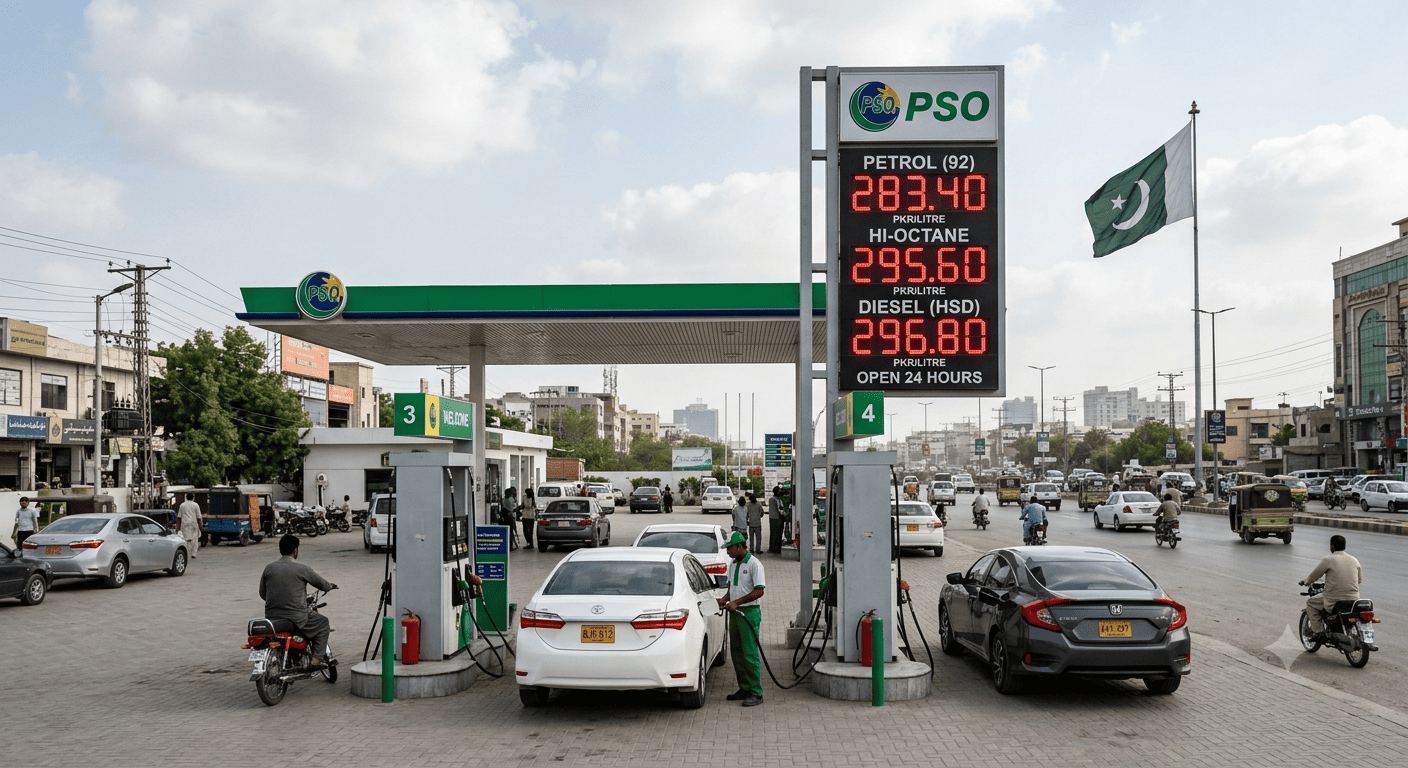
Pakistan's motorists received another round of relief after the federal government announced a fresh reduction in the prices of petrol and high-speed diesel, marking the third consecutive day of fuel price cuts under the country's daily petroleum pricing mechanism.
The latest adjustment was issued following recommendations from the Oil and Gas Regulatory Authority (OGRA) and the Petroleum Division. The revised prices took effect immediately, providing temporary relief to millions of commuters, transport operators and businesses that rely on petroleum products.
Third Consecutive Reduction Brings Relief
The latest price revision continues a recent downward trend driven by changes in international crude oil prices and the government's fuel pricing formula. While the reduction per litre is relatively modest, three consecutive decreases indicate that domestic fuel prices are responding to movements in global energy markets.
For consumers, even small daily reductions can lower transportation expenses, particularly for people who travel long distances or operate commercial vehicles.
How Fuel Prices Are Decided
Pakistan now reviews petroleum prices more frequently than under the previous fortnightly system. The government considers several factors before announcing new rates, including:
-
International crude oil prices
-
Import premiums
-
Exchange rate movements
-
Inland freight equalization costs
-
Petroleum levy and applicable taxes
-
Recommendations submitted by OGRA
This pricing mechanism allows domestic fuel rates to reflect changing global market conditions more quickly.
Impact on Consumers and Businesses
Lower fuel prices are expected to benefit a wide range of sectors.
Private motorists may notice lower refuelling costs, while transport companies could experience reduced operating expenses. Industries dependent on road logistics may also benefit if the downward trend continues, although the overall impact on inflation will depend on how long lower fuel prices are sustained.
Economists note that transportation costs influence the prices of many everyday goods, meaning continued stability in petroleum prices can help ease inflationary pressure over time.
Global Oil Market Remains the Key Driver
Energy analysts say international oil prices remain the biggest factor influencing Pakistan's fuel costs. Any major geopolitical event, supply disruption or unexpected change in global demand could quickly reverse the recent downward trend.
Because Pakistan imports a significant share of its petroleum requirements, domestic prices remain closely linked to developments in international energy markets and currency movements.
What to Expect Next
The government will continue reviewing petroleum prices under the daily pricing framework. Future adjustments will depend on fresh market data, exchange rate performance and updated recommendations from relevant authorities.
Motorists and businesses are advised to follow official notifications issued by the Finance Division and OGRA for the latest fuel price updates.
As global oil markets remain volatile, further increases or decreases cannot be ruled out, making regular official updates increasingly important for consumers and commercial operators alike.